
Key information
| Entry qualifications | BBB |
|---|---|
| Course duration | 1 year |
| UCAS codes | Check subject pathways |
| Admissions test | Not required |
| Application deadline | 13 January 2027 |
About the course
The Foundation Year in Humanities introduces you to a range of disciplines, allowing you to explore connections between subjects before focusing on your chosen degree pathway. You will develop core skills in analysis, interpretation and academic writing, and gain an understanding of what it means to study your subject at undergraduate level.
You will apply for a specific course, linked to the degree you intend to study. The subjects you can apply for entry in 2027 are: Ancient and Modern History; Classics; Classics and English; English Language and Literature; History; History and English; Philosophy and Theology, and Theology and Religion.
During the Foundation Year, you will follow a structured programme that combines shared Humanities study with subject-specific teaching to support your chosen pathway. You may also study a language or mathematics, depending on your interests and chosen pathway.
Preparation for Undergraduate Studies
Alongside your subject studies, you will take the Preparation for Undergraduate Studies course. This will help you develop core academic skills, including writing, communication and independent study, to support your progression to undergraduate level.
Entry requirements
The typical A-level entry requirements are BBB. Details of the specific subject requirements are below.
We do accept other types of qualifications. More information about the academic entry requirements and accepted qualifications is available on the Foundation Year in Humanities course page on the University of Oxford website.
You do not need to take a written test as part of the application for this course.
Classics options with Foundation Year
- For Classics with Foundation Year there are no specific subject requirements. Students are expected to have studied a subject involving essay writing at A-level (or equivalent).
- For Classics and English with Beginner's Latin or Greek, you are expected to have studied English Literature or English Language and Literature at A-level (or equivalent).
- For Classics and English with Foundation Year, you are expected to have studied English Literature or English Language and Literature and Latin and/or Greek at A-level (or equivalent).
English options with Foundation Year
- For English Language and Literature with Foundation Year you are expected to have studied English Literature or English Language and Literature to A-level (or equivalent)
- For Classics and English with Beginner's Latin or Greek, you are expected to have studied English Literature or English Language and Literature at A-level (or equivalent).
- For Classics and English with Foundation Year, you are expected to have studied English Literature or English Language and Literature and Latin and/or Greek at A-level (or equivalent).
- For History and English with Foundation Year, you are expected to have studied English Literature or English Language and Literature to A-level (or equivalent). It is highly recommended for you to have History A-level (or equivalent).
History options with Foundation Year
- For Ancient and Modern History with Foundation Year, you are expected to have studied History A-level (or equivalent).
- For History with Foundation Year, you are expected to have studied History A-level (or equivalent).
- For History and English with Foundation Year, you are expected to have studied English Literature or English Language and Literature to A-level (or equivalent). It is highly recommended for you to have History A-level (or equivalent).
Subject pathways
Classics with Foundation Year
Classics with Foundation Year is part of the Foundation Year in Humanities and introduces you to the study of the ancient world through its literature, history and culture. You will begin with a broad exploration of the Humanities before moving towards more focused study that prepares you for your chosen degree pathway.
Through your work, you will develop skills in analysing texts, interpreting evidence and constructing well-supported arguments. You will explore how the civilisations of ancient Greece and Rome can be studied from different perspectives, including literary, historical and cultural approaches.
In your final term, you will complete an extended essay on a topic of your choice, allowing you to develop your interests and build your skills in independent research and writing.
As a Classicist, you will be given classes in one Classical language. You do not need prior knowledge of a Classical language.
Alongside your subject studies, you will take the Preparation for Undergraduate Studies course, which supports your development in academic writing, communication and independent study.
Classics with Foundation Year
Subject requirements
A subject involving essay writing
Admissions test
Not required
Classics and English with Foundation Year
Classics and English with Foundation Year pathways are part of the Foundation Year in Humanities and introduces you to the study of literature, language and culture across different historical periods. You will begin with a broad exploration of the Humanities before moving towards more focused study that prepares you for your chosen degree pathway.
Through your work, you will develop skills in analysing a range of texts and forms of evidence, exploring how meaning is shaped through language and how texts reflect the societies in which they were produced. You will engage with both ancient and modern material, learning how ideas and literary forms can be interpreted in different contexts.
In your final term, you will complete an extended essay on a topic of your choice, allowing you to develop your interests and build your skills in independent research and writing.
As part of the Classics and English with Beginner's Latin or Greek with Foundation Year you will be given classes in one Classical language. You do not need prior knowledge of a Classical language.
Classics and English with Foundation Year
Subject requirements
English Literature or English Language and Literature A-level (or equivalent) and Latin and/or Greek A-level (or equivalent)
Admissions test
Not required
Classics and English with Beginner's Latin or Greek with Foundation Year
Subject requirements
English Literature or English Language and Literature A-level (or equivalent)
Admissions test
Not required
Teaching staff

Dr Aurelia Annat
"The Astrophoria Foundation Year is a particularly exciting part of the wider push for access at Oxford because it offers such a comprehensive as well as creative platform for undergraduate study. Through delivering transferable and employable skills, Humanities degrees translate into a wide range of careers which have the potential to make a difference to society as well as bringing personal satisfaction."
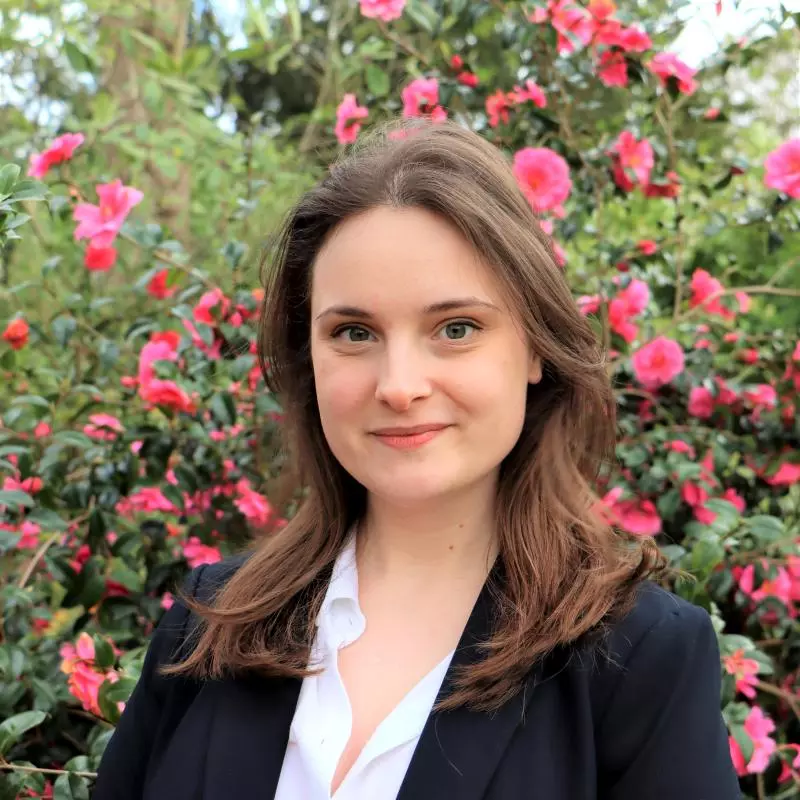
Dr Eleanor Baker
"I am delighted to be leading the English provision for the Astrophoria Foundation Year. Studying English on the programme offers students the chance to explore connections between different humanities subjects and to establish a solid foundation in English studies. Students will develop key academic skills, identify and pursue their own individual academic interests, and develop transferable skills that will prove valuable in their later careers, whichever path they choose to take."

Emma Searle
"Classics is a wide-ranging, interdisciplinary subject that studies the languages, literature, history, and archaeology of the ancient Mediterranean world. This programme explores many fascinating aspects of Greek and Roman society and culture, from epic poetry to wall-paintings, pottery to political intrigue, and debates about historiographic (dis)honesty, sexuality, and gender. You will develop skills in close reading, textual criticism, analysing complex information, and writing persuasive arguments, while beginning Latin or Ancient Greek to read texts in the original.

Dr Edward Sutcliffe
"The academic study of religious thought and practice is a rich and varied field, which engages with issues ranging from critical analysis of ancient scriptures to assessments of the political aspects of religion, from philosophical and ethical reasoning that grapples with the great existential questions of life and death to the study of religious art, artifact, and ritual in specific cultural contexts. This programme allows students to begin exploring these issues while developing the analytical skills that underpin future academic success."